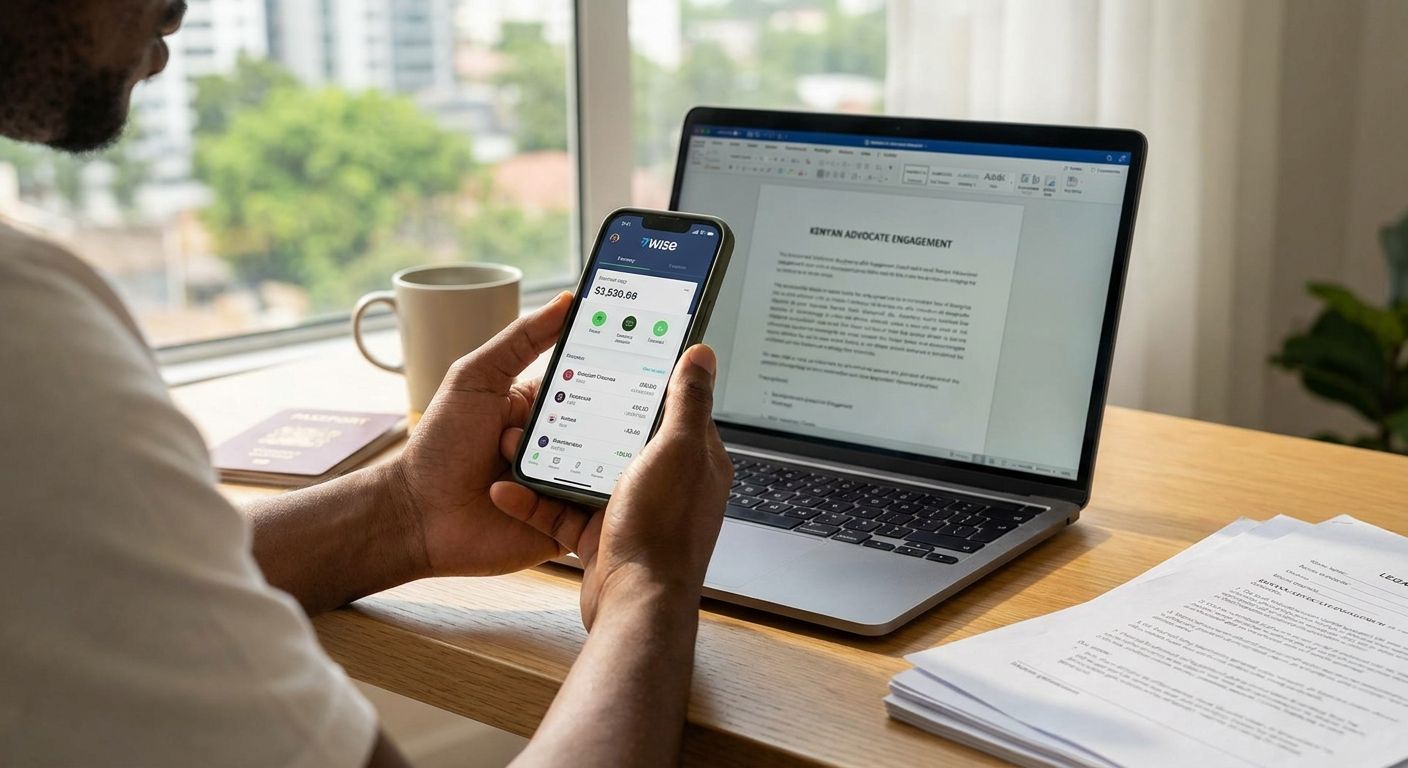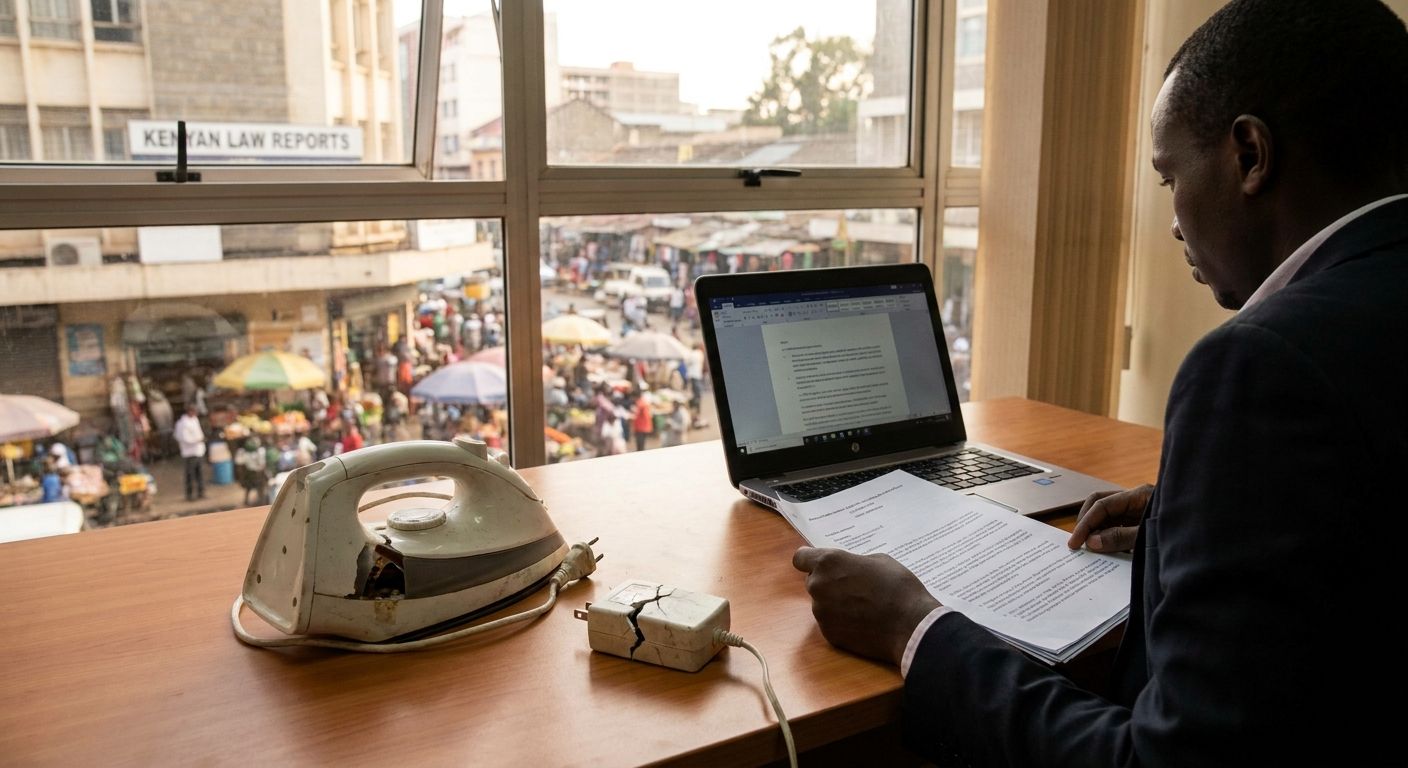
Yes, an online seller in Kenya can be sued for a defective product — the same Sale of Goods Act and Consumer Protection Act, 2012 protections that cover a shop on Kimathi Street cover a seller on Instagram, WhatsApp, or Jumia. The harder part in 2026 isn't the law itself; it's finding a traceable seller and enough proof to make the claim stick.
- An online seller in Kenya can be sued for a defective product under the Sale of Goods Act and Consumer Protection Act, 2012.
- Small Claims Court handles claims up to KES 1,000,000 without needing a lawyer, and cases are meant to be decided within 60 days.
- Contract claims generally carry a 6-year limitation period under the Limitation of Actions Act.
- Proof of purchase — receipt, M-Pesa message, or chat log — matters more than which platform you bought from.
- A short consultation with an advocate through Lex Africa can confirm whether a specific case is worth filing before you spend anything on it.
Why this matters
Online retail in Kenya keeps growing, and a growing share of purchases happen through Instagram DMs, WhatsApp catalogues, and marketplaces rather than walk-in shops. Kenyan law has not created a weaker category of protection for "online sellers." If a seller sends you a spoiled blender, a phone with a cracked screen hidden inside sealed packaging, or furniture that collapses within a month, the same remedies apply whether you paid by till number or handed over cash in a store.
The catch is practical, not legal. A registered company with a physical address is easy to serve with a demand letter or a court summons. If the seller is a registered company, a business lawyer can send that demand letter before you even think about court. A seller who only exists as an Instagram handle and a phone number is a different problem entirely — and that gap is where most online buyers lose momentum before they ever file anything.
Can an online seller be sued for a defective product in Kenya?
Yes, and three legal tools work together to make that possible in 2026:
| Legal basis | What it covers | Best for |
|---|---|---|
| Sale of Goods Act (Cap 31) | Implied warranty that goods are of merchantable quality and fit for purpose | Any purchase, online or in-store |
| Consumer Protection Act, 2012 | Right to redress — repair, replacement, or refund — and a ban on unfair trade practices | Buyers dealing with any supplier, including online-only sellers |
| Small Claims Court Act, 2016 | Fast-track civil claims capped at KES 1,000,000 | Recovering money without hiring a lawyer |
Each one covers a different gap. The Sale of Goods Act sets the standard the product had to meet. The Consumer Protection Act gives you a right to a remedy when it doesn't meet that standard. The Small Claims Court gives you a venue to enforce that remedy without the cost of a full civil suit.
Small Claims Court: claims up to KES 1,000,000
For most defective-product disputes bought online, the Small Claims Court is the fastest route available in 2026. You file without a lawyer, claims are capped at KES 1,000,000, and the Small Claims Court Act, 2016 sets a target of resolving cases within 60 days of filing. It's built for recovering money you paid — a refund, a replacement cost, or damages tied directly to the purchase price — not for complex claims involving lost business or personal injury.
Verdict: the right first stop for a straightforward refund claim under KES 1,000,000. Skip it for anything larger or more complicated.
Sale of Goods Act: a 6-year window to sue
The Sale of Goods Act (Cap 31) implies that goods sold — by anyone, online included — must be of merchantable quality and fit for the purpose they were sold for. Breaching that implied condition is a breach of contract, and ordinary contract claims in Kenya fall under the Limitation of Actions Act's 6-year limitation period.
Six years is the outer legal limit, not a recommendation. Waiting that long weakens a claim badly — evidence disappears, sellers vanish, and courts read delay as a sign the defect wasn't serious.
Verdict: your statutory backing for any defect claim, but act within weeks or months, not years.
Consumer Protection Act, 2012: refund, repair or replacement
This Act gives buyers — including buyers who purchase entirely online — a right to redress when goods don't match what was advertised or turn out defective on delivery. It also prohibits unfair trade practices, which covers sellers who misrepresent a product's condition, origin, or specifications to close a sale.
Verdict: the strongest tool for demanding a refund, repair, or replacement outside of court, and the basis most demand letters lean on first.
Why liability depends on who's selling
The law applies equally, but how easy it is to enforce depends on the seller. Before you file anything, these factors decide how the case actually plays out:
- Whether the seller is a registered business or an anonymous social media account
- Whether the sale happened through a marketplace like Jumia or Kilimall, or through a seller's own WhatsApp catalogue
- Whether the seller has registered their online store, which affects how easy they are to trace and serve with a claim
- Whether you have proof of purchase — a receipt, an M-Pesa message, or a saved chat log
- Whether the defect was present at delivery or arose from misuse after you received the item
- How much money is at stake, which decides whether Small Claims Court or a Magistrate's Court is the right venue
What if the online seller is based outside Kenya?
Suing becomes significantly harder when the seller ships from outside Kenya or has no traceable local presence. Kenyan courts can still have jurisdiction over a contract performed here, but enforcing a judgment against a seller with no assets or address in the country is close to impossible in practice.
The faster route in that situation is reversing the payment itself. Disputing the transaction through M-Pesa or your bank often resolves the loss quicker than a lawsuit — see the general process for how to dispute a bank charge without a lawyer.
Can I sue a marketplace like Jumia instead of the individual seller?
Marketplaces generally position the individual seller, not the platform, as the party you contracted with for the goods, though buyer-protection processes vary from one platform to another. Before escalating to court, use the marketplace's own return or dispute process — it's usually faster and doesn't cost anything to try.
If that process fails and the seller is identifiable, the claim against the seller still stands on the same Sale of Goods Act and Consumer Protection Act grounds covered above.
What evidence do I need to prove a product was defective?
Photos or video of the fault, taken as soon as you notice it, matter most — timing shows the defect wasn't caused by how you used the product afterward. Proof of purchase — a receipt, invoice, or M-Pesa confirmation message — ties the item to that specific seller and date.
A record of when you first reported the problem also matters, because it shows you flagged the defect within a reasonable time rather than months later.
Not sure your claim holds up?
Talk to an LSK-verified advocate on a 15-minute video call before you file.
FAQ
Can I sue an online seller in Kenya for sending a counterfeit product?
Yes, sending a counterfeit or misrepresented product breaches both the contract and the Consumer Protection Act, 2012's ban on unfair trade practices. It also gives you grounds for a refund claim regardless of how small the transaction was.
How much can I claim in Small Claims Court for a defective product bought online?
Small Claims Court in Kenya caps claims at KES 1,000,000 as of 2026. Anything above that limit, or a claim involving damages beyond the purchase price, generally needs to go to a Magistrate's Court instead.
Do I need a lawyer to sue an online seller in Kenya?
No, Small Claims Court is designed to be filed without a lawyer, which is why most defective-product claims under KES 1,000,000 start there. Claims above that limit or involving a company that contests the case often benefit from a lawyer's involvement.
How long do I have to report a defective product bought online?
There's no fixed number of days under the Sale of Goods Act, but you should report a defect within a reasonable time of noticing it. The outer legal limit for a contract claim is 6 years under the Limitation of Actions Act, though waiting that long weakens the case badly.
Can a seller refuse a refund because the listing said 'sold as seen'?
A blanket 'no refunds' notice on a website or Instagram bio does not override your rights under the Consumer Protection Act, 2012 when a product turns out defective. Sellers can't contract out of statutory consumer protections through a disclaimer alone.
Is buying from a WhatsApp or Instagram seller legally different from buying from a registered website?
No, the sales channel doesn't change a seller's legal obligations under the Sale of Goods Act or Consumer Protection Act, 2012. What changes is how easy the seller is to trace and serve with a demand letter or claim.
What's the difference between Small Claims Court and Magistrate's Court for a defective product claim?
Small Claims Court caps claims at KES 1,000,000, skips the need for a lawyer, and targets resolution within 60 days. Claims above that limit, or seeking damages beyond the purchase price, usually go to a Magistrate's Court instead.
One last thing
A "no refunds, no exchanges" line in a seller's Instagram bio or website footer carries no legal weight against your rights under the Consumer Protection Act, 2012 in 2026. Sellers post it because most buyers assume it's binding and drop the claim there — it isn't, and it shouldn't stop you.