Finding the best maritime and shipping lawyers in Mombasa in 2026 means matching the type of dispute — vessel arrest, cargo damage, charterparty breach, or a customs hold — to the right kind of counsel, not just the biggest name near the port.
Best overall for vessel arrest and cargo litigation in Mombasa in 2026: an established maritime and admiralty law firm with a dedicated shipping practice. Best for a fast first opinion before you commit to counsel: Lex Africa's 15-minute video consultations with LSK-verified advocates. Best for smaller cargo and bill of lading claims: an independent maritime sole practitioner based in Mombasa. Best for shipping companies with recurring legal needs: a retainer arrangement with a Mombasa commercial firm.
- Full-service maritime and admiralty firms in Mombasa win for vessel arrest and cargo litigation in 2026.
- Lex Africa's 15-minute video consultations with LSK-verified advocates work best for a fast first opinion before you hire counsel.
- Independent sole practitioners suit smaller bill of lading and cargo damage claims.
- Shipping companies with recurring disputes are better served by a retainer with a Mombasa commercial firm.
- Kenya's High Court at Mombasa holds admiralty jurisdiction, so proximity to the port matters.
Why this matters
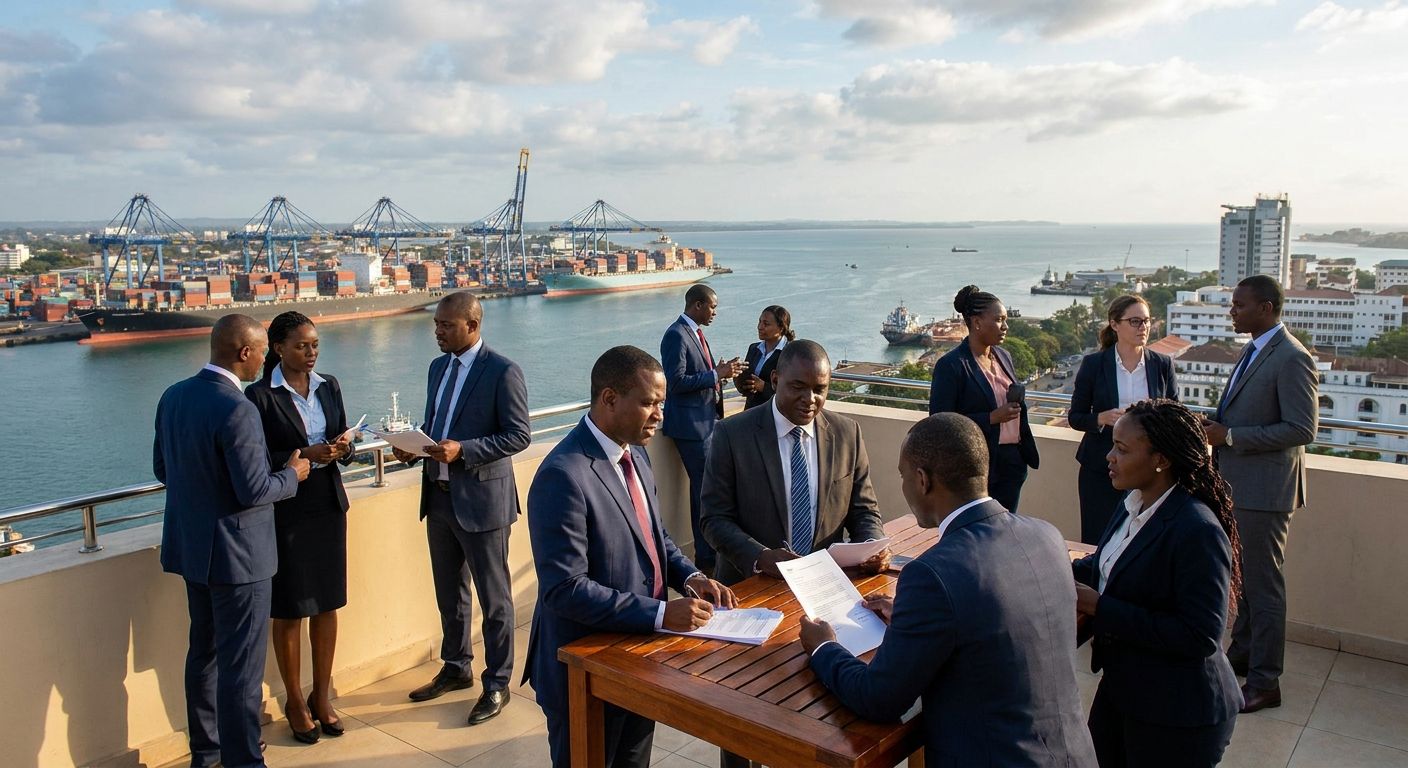
Mombasa is Kenya's main gateway for containerised trade, and a dispute tied to a delayed vessel, damaged cargo, or a customs hold runs on a different clock than an ordinary commercial claim. Kenya's Merchant Shipping Act, 2009 gives the High Court admiralty jurisdiction, and a vessel due to sail can force a claimant to file for arrest within days rather than weeks.
Picking the wrong type of counsel costs time you don't have. A generalist advocate without admiralty experience may not know how to draft an urgent arrest application; a large corporate firm can be more than a single bill of lading dispute actually needs. Sorting providers by the problem they solve — not by size or reputation alone — is the faster way to decide who to call first in 2026.
What makes the best maritime and shipping lawyer in Mombasa
- LSK admission and good standing — verifiable bar status before you hand over a shipping file.
- Direct admiralty experience — vessel arrest applications, cargo claims, charterparty disputes, and P&I club correspondence, not general commercial litigation dressed up as maritime work.
- Familiarity with Kenya Ports Authority procedures — knowing how the port, clearing agents, and shipping lines actually operate day to day in Mombasa.
- Response speed — maritime deadlines move in days; an advocate who takes a week to reply isn't built for an arrest filing.
- A written fee agreement before work starts — maritime litigation costs can escalate fast once a case moves past the demand letter stage.
- Ability to coordinate with insurers and freight forwarders — most cargo disputes touch more than one party, and the file moves faster when counsel can talk to all of them.
Maritime and shipping legal help in Mombasa at a glance (2026)
The table below sorts each option by the type of dispute it fits best, not by which sounds most impressive.
| Category | Best for | Standout feature | Key limitation |
|---|---|---|---|
| Full-service maritime and admiralty firms | Vessel arrest, charterparty litigation, P&I disputes | Bench depth across cargo, insurance, and shipping regulation | Slower to engage for a single quick question |
| Lex Africa video consultation | A fast first opinion on a shipping or customs problem | 15-minute video call with an LSK-verified advocate, booked online | General information only, not full litigation representation |
| Independent maritime sole practitioners | Bill of lading disputes, smaller cargo damage claims | Direct access to the advocate handling your file | Less capacity for multi-party or high-value disputes |
| Retainer with a Mombasa commercial firm | Shipping companies with recurring legal needs | Ongoing familiarity with your fleet, contracts, and staff | Only cost-effective once legal work is genuinely regular |
1. Full-service maritime and admiralty firms: best for vessel arrest and cargo litigation
Full-service firms with a maritime desk handle disputes that need to move fast and often touch multiple parties at once: a vessel arrest application at the High Court in Mombasa, a charterparty breach involving a foreign shipowner, or a cargo claim running through a P&I club. These firms usually carry advocates who also handle marine insurance and shipping regulation, so one team manages the file end to end instead of handing pieces of it to different specialists.
Full-service maritime and admiralty firms pros:
- Can file an urgent vessel arrest application without bringing in outside counsel.
- Established contacts with Kenya Ports Authority staff, clearing agents, and P&I correspondents.
- Bench depth to run a multi-party dispute alongside the main claim.
Full-service maritime and admiralty firms cons:
- Engagement and conflict checks can take longer to set up than a single consultation.
- Overkill for a small, single-shipment dispute that just needs a demand letter.
Best for: vessel arrest, charterparty litigation, and high-value cargo claims. Verdict: retain directly when a vessel or a court filing is already involved.
Start narrowing down law firms in Mombasa with a maritime practice before you commit to a retainer.
2. Lex Africa video consultations: best for a fast first opinion on a shipping dispute
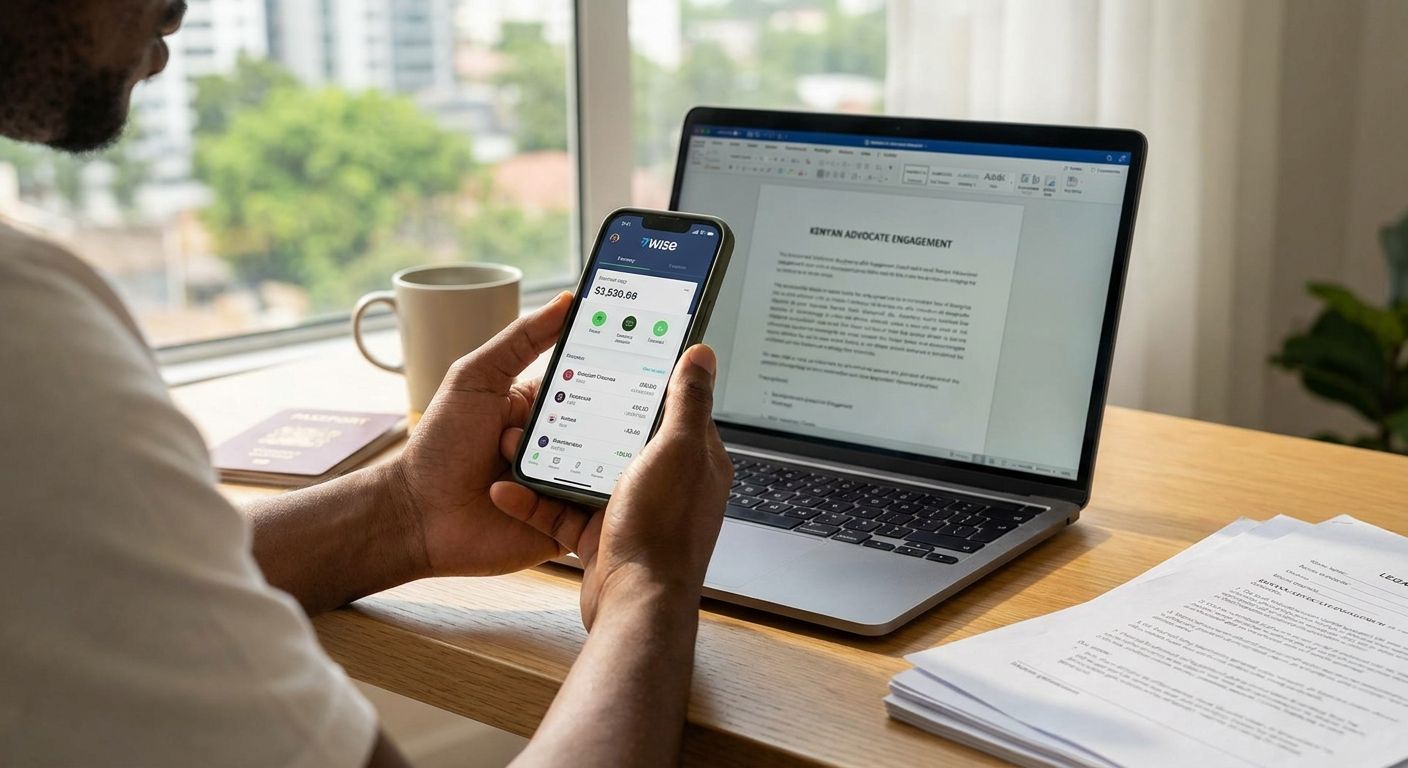
Lex Africa connects you with an LSK-verified advocate over a paid 15-minute video call, and some of the advocates on the platform handle shipping, customs, and cargo questions. It's built for the moment before you've decided whether a dispute needs a full retainer or just clarity on where you stand — a delayed shipment, an unexpected customs hold, or a disagreement over the terms of a bill of lading.
Lex Africa pros:
- Books online in minutes, no office visit required before you get an answer.
- Connects you with an LSK-verified advocate, so you know who you're talking to before the call starts.
- Useful for triage: does this need urgent litigation, or can it wait a week?
Lex Africa cons:
- A 15-minute call gives direction, not case management — it won't file your vessel arrest application for you.
- The session is general legal information, not legal advice, and it doesn't create a lawyer-client relationship until you agree to engage an advocate in writing.
Best for: a fast first opinion on a shipping or customs problem. Verdict: book a consultation before you commit to a full retainer.
3. Independent maritime sole practitioners: best for bill of lading and smaller cargo claims
A sole practitioner with maritime experience in Mombasa is often the right call for a single-shipment dispute — cargo arrived damaged, a bill of lading term is being disputed, or a shipping line is refusing to release goods over a paperwork disagreement. You deal directly with the advocate handling your file from start to finish, with no hand-offs between associates.
Independent maritime sole practitioners pros:
- Direct access to the advocate working your case, start to finish.
- Often more responsive on smaller matters than a large firm juggling bigger files.
Independent maritime sole practitioners cons:
- Limited capacity if the dispute grows to involve multiple vessels or parties.
- May need to bring in co-counsel for a full vessel arrest application.
Best for: bill of lading disputes and single-shipment cargo damage claims. Verdict: a solid choice for contained, lower-complexity disputes.
4. Retainer arrangements with a Mombasa commercial firm: best for shipping companies with recurring needs
A shipping agency, freight forwarder, or importer facing disputes on a regular basis is better served by a standing retainer than a one-off engagement. The firm builds familiarity with your contract templates, your cargo or fleet patterns, and your staff, so each new matter starts from context instead of a blank file.
Retainer arrangements pros:
- The firm already knows your contract templates and past disputes when a new one comes in.
- Predictable working relationship for recurring customs, cargo, or charterparty issues.
Retainer arrangements cons:
- Only worth the commitment once your volume of legal work is genuinely regular.
- Less useful for a business that only faces the occasional shipping dispute.
Best for: shipping companies and importers with ongoing legal needs. Verdict: worth it once disputes stop being one-off events.
How we ranked these options
Each category is judged against the same six criteria: LSK standing, direct admiralty experience, familiarity with Kenya Ports Authority procedures, response speed on time-sensitive filings, a written fee agreement before work starts, and the ability to coordinate with insurers and freight forwarders. No single category wins across all six — that's the point of sorting by problem type instead of by name recognition in 2026. A firm that scores well on bench depth for litigation isn't automatically the fastest or cheapest way to get a first opinion, and a sole practitioner who moves quickly on a small claim isn't equipped for a multi-vessel dispute.
Which maritime and shipping lawyer should you choose?
If a vessel arrest or a charterparty dispute is already in motion, go straight to a full-service maritime and admiralty firm — the deadlines don't leave room for a slower engagement process. If you're still working out whether your shipping or customs problem needs a lawyer at all, book a 15-minute video consultation through Lex Africa first and use that direction to decide your next step. For a single cargo claim, an independent sole practitioner is often enough; for a shipping business with disputes on a recurring basis, a retainer with a commercial firm pays for itself over 2026 and beyond.
Get a first opinion fast
Book a 15-minute video call with an LSK-verified advocate.
“If a vessel is due to sail before a claimant can file for arrest, the dispute stops being routine and starts being urgent.”
FAQ
What's the best way to find a maritime and shipping lawyer in Mombasa in 2026?
Match the problem to the provider: use a full-service maritime and admiralty firm for vessel arrest or cargo litigation, a sole practitioner for a straightforward bill of lading dispute, and a fast video consultation with an LSK-verified advocate through Lex Africa when you need direction before committing to either. Mombasa's High Court handles admiralty matters, so familiarity with the port matters more than firm size alone.
Is Lex Africa a maritime law firm?
No. Lex Africa is a platform that connects you with LSK-verified advocates for paid 15-minute video consultations, including advocates who handle shipping and maritime questions. It gives general information and direction, not a lawyer-client relationship, until you agree in writing to engage an advocate directly.
What legal issues do maritime and shipping lawyers in Mombasa handle?
Common matters include vessel arrest applications, cargo damage and loss claims, charterparty disputes, bill of lading disagreements, marine insurance and P&I club correspondence, and customs holds on goods moving through the port. Some of these move fast — a vessel due to sail can force a same-week filing.
How much does a maritime lawyer cost in Kenya?
Fees vary by firm, the complexity of the dispute, and whether the matter stays out of court or goes to litigation, so get a written fee agreement before work starts. Ask for that agreement upfront rather than assuming a flat rate applies to every maritime matter.
Can I get a quick legal opinion on a shipping dispute before hiring a Mombasa firm?
Yes — a 15-minute video consultation with an LSK-verified advocate through Lex Africa gives general direction on a cargo, customs, or vessel issue before you commit to a retainer. It won't replace filing an admiralty case, but it helps you decide whether the dispute needs urgent litigation or can wait.
Does the High Court in Mombasa handle maritime cases?
Yes. Kenya's Merchant Shipping Act, 2009 gives the High Court admiralty jurisdiction, and the High Court at Mombasa is the practical venue for most shipping and vessel disputes because of the port's location. This is why proximity to Mombasa matters when choosing counsel for an urgent maritime filing.
What is vessel arrest and who handles it in Kenya?
Vessel arrest is a court order that detains a ship in port, usually to secure a maritime claim such as unpaid cargo damages or charter fees, and it's filed through the High Court's admiralty jurisdiction. Because a vessel can sail within days, this is one of the most time-sensitive maritime filings and needs a firm that can move immediately.
Should I use a sole practitioner or a full-service firm for a cargo claim?
Use an independent sole practitioner for a smaller, single-shipment cargo claim or a bill of lading dispute where you want direct access to the handling advocate. Choose a full-service maritime and admiralty firm when the claim involves a vessel arrest, multiple parties, or a marine insurer, since those matters need broader bench strength.
One last thing
Most charterparties written for Mombasa cargo already carry an arbitration clause, which means a real share of shipping disputes never reach the High Court's admiralty docket at all — they settle through arbitration under the contract's own terms. Before assuming a dispute needs a courtroom in 2026, check what your charterparty or bill of lading actually says about dispute resolution; the venue may already be decided for you, and that changes which type of maritime lawyer you actually need.